

Some of the people who love you most can’t bear to hear you cry. It doesn’t mean they’ve failed you.
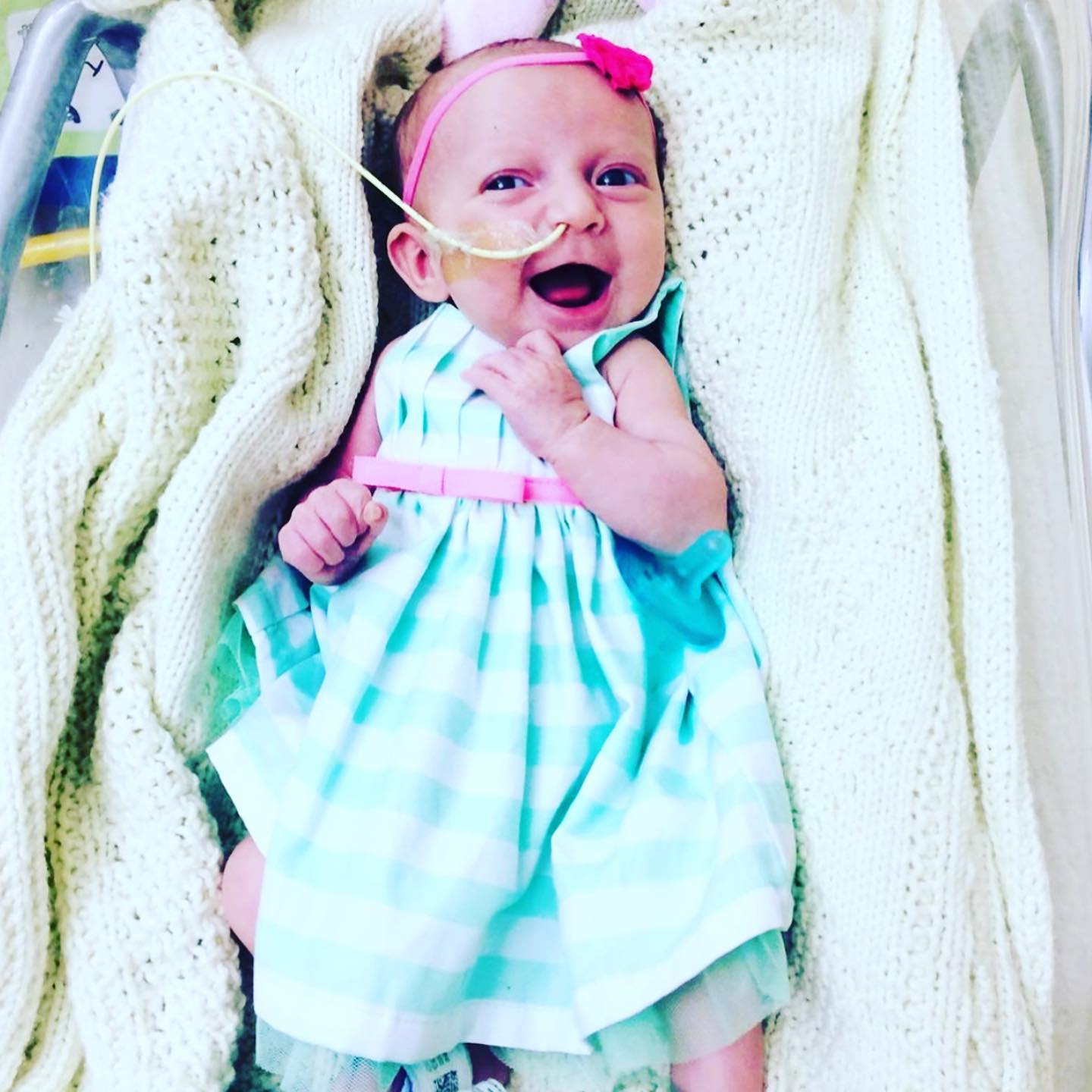
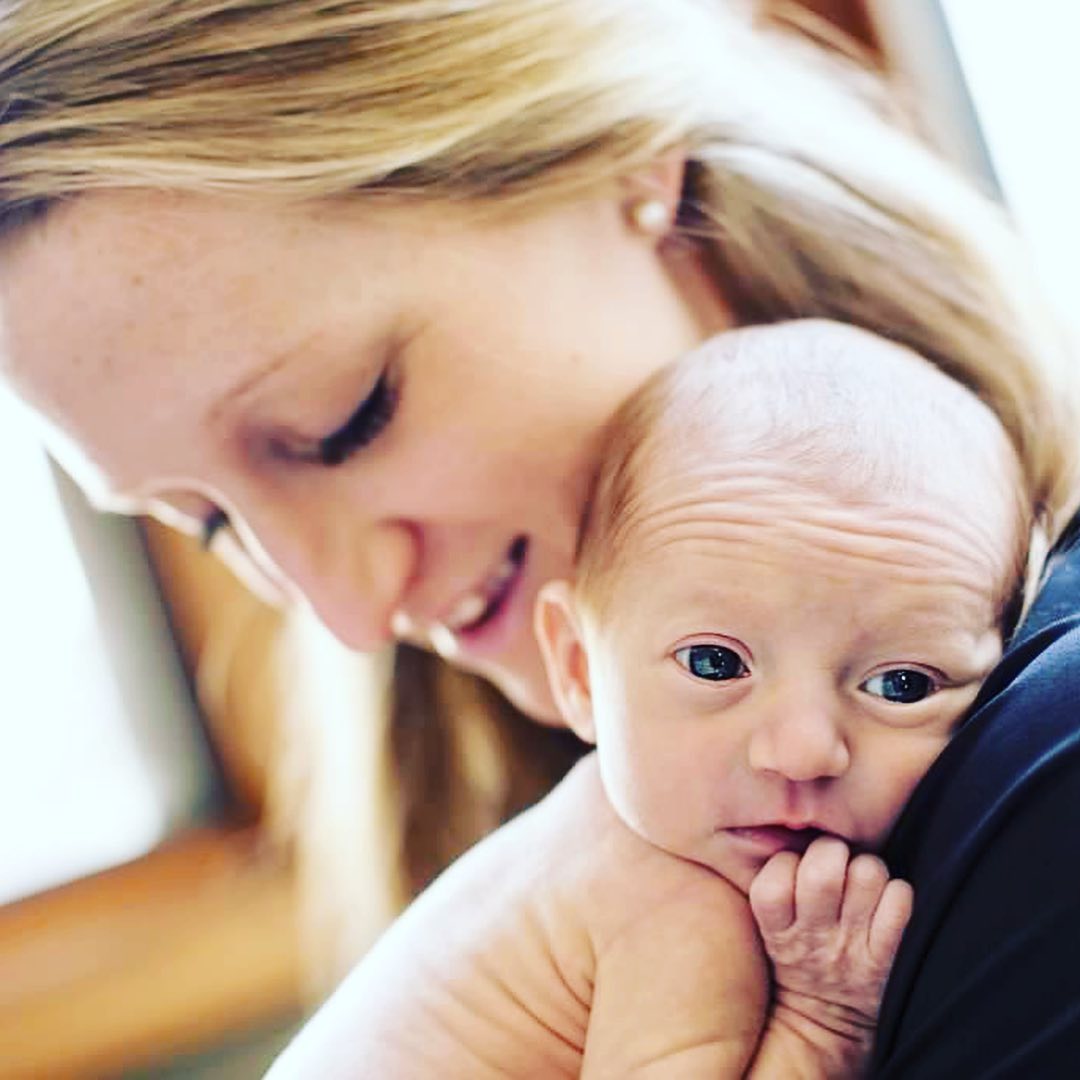
Melissa’s daughter, Leyden, was born in February 2014 with two holes in her heart. In her four months, Melissa spent 99 nights at the hospital with a baby who was stubborn, sweet and curious, with big blue eyes that seemed to hold wisdom beyond her age. Leyden was always finding her way into a nurse’s arms. When Leyden died in her arms, Melissa was left with a grief that no single person could carry with her.
“Not everyone can hold all of your grief, but everyone can hold an aspect of it.”
Twelve years later, Melissa shares what she learned about the people around her, and it may change how you see your own circle. The idea grew out of her work with her grief counselor and became a chapter in her book, Scar Tissue. She calls them teammates, and she believes each one has a position they play best.
Some friends can’t sit with the tears but will gladly take you to dinner or a ball game. For Melissa, that was her brothers. They didn’t know what to say when she called in tears, but they knew how to give her a break from it, and she needed that too. Some can’t hear the heaviest moments, but they will plan the memorial service, do the laundry or fill the fridge. Her college roommates, who were new moms themselves, were scared by her loss and a little guilty, and they showed their love with a to-do list.
“We can only meet somebody at the level of depth in which we are willing to meet ourselves.”
Then there are the listeners, who are far rarer than we think. Many people listen in order to respond, while a true listener might simply ask, “How would you like me to listen?” For Melissa, they were the ones she could call when she couldn’t get out of the car and was crying too hard to breathe. And there are the ones you’ll need to keep at a distance, who are drawn to the drama rather than to you.
Melissa also shares why asking the wrong person for the wrong kind of help can leave you both hurting. The people around us want to help, but they may pull away or feel resentful if we ask for something they don’t have the capacity to give.
This conversation goes on to the toxic positivity and the “shoulds” that grieving parents hear, and the Plan B Melissa has built because Plan A is not an option. It ends with her permission to meet yourself where you are, on the days when you have 10% to give and the days when you have 80%.
Listen in, and think about who in your life might be holding a piece of your grief, and who you may be asking to hold more than they can.
Recent Comments