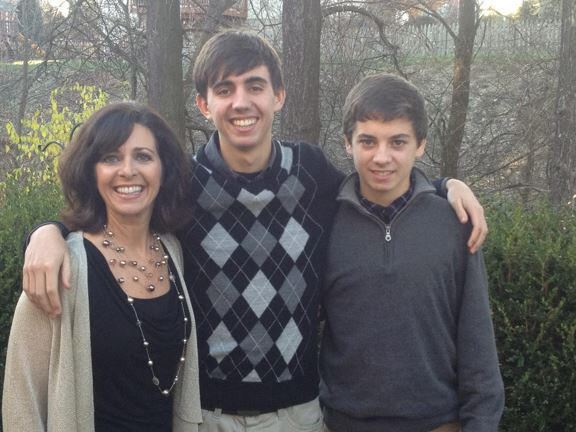
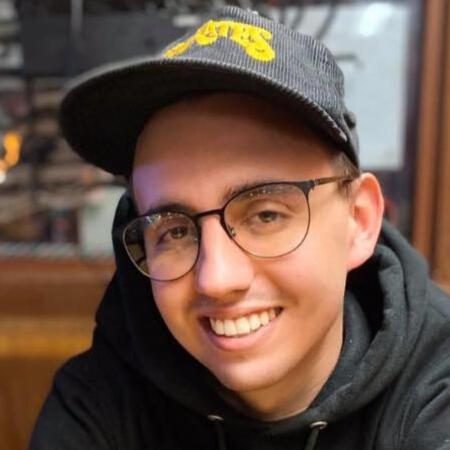
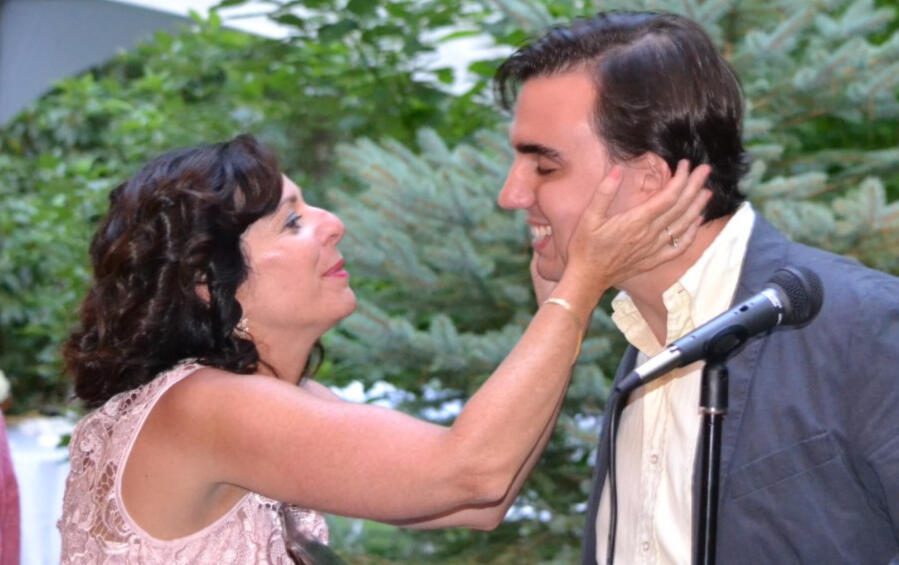
Erin starts every conversation about her son the same way.
He was the most interesting person I have ever known.
And she means it. Max was quirky and eccentric and tender-hearted in equal measure. He spoke in full sentences at fifteen months. He memorized a thirty-page picture book and read it to his preschool class. He loved people deeply, inspired friendships that were somehow different from other friendships, and at three years old, walking into a restaurant holding his grandmother’s hand, he picked up her hand and kissed it. She talked about that moment until the day she died.
He was also a stand-up comic. An introvert who struggled with self-worth and depression, who somehow found the courage to walk onto a stage in front of strangers and make them laugh. His parents sat in the back of that bar, convinced they were going to have to fight somebody if anyone heckled him. Nobody heckled him.
Max was diagnosed with major depressive disorder at eighteen and struggled with it for the next six or seven years. When things got bad, he always did one of two things — he would check himself into the hospital, or he would call and ask to come home. And so, when his parents got the call that he had taken his life on June 3rd, 2020, right in the early months of COVID when every single one of his coping strategies had been taken from him at once, they were absolutely blindsided. Because he always came home. He always asked for help.
In this conversation, Erin speaks with remarkable honesty about what she did not understand when Max was alive. When he was in the depths of a depressive episode, she would drag him out of bed and take him to Target, thinking if he just got up and got moving he would feel better. She did these things because she was so afraid of his darkness that she could not sit in it with him.
After Max died, she fell into a depression herself. And for the first time, she got a glimpse of the darkness he had been living with.
That is when she understood what he had needed from her. Not to be pulled out of the pit. Just for her to get in beside him.
It is one of the most honest and heartbreaking things any parent has said on this podcast. And it is also one of the most useful, because it is the same thing every grieving parent needs from the people who love them. Not someone to fix it. Not someone to cheer them up. Someone willing to climb down into the darkness and just sit there.
Erin also talks about the marriage therapist who told her and her husband not to judge each other for the way they grieved, advice she credits with saving their marriage. The journal that became a book. The bird that appeared again and again after Max died and became the thread that runs through her memoir, My Unexpected Journey: Reflections After Losing My Son to Suicide.
And she talks about what she has built from all of it — grief groups, webinars, experiential sessions where bereaved parents engage in hands-on creative work together. All of it born from the same hard-won knowledge: grief cannot be fixed. It can only be witnessed.
You can find Erin and all of her resources at erinblechman.com.
Recent Comments