
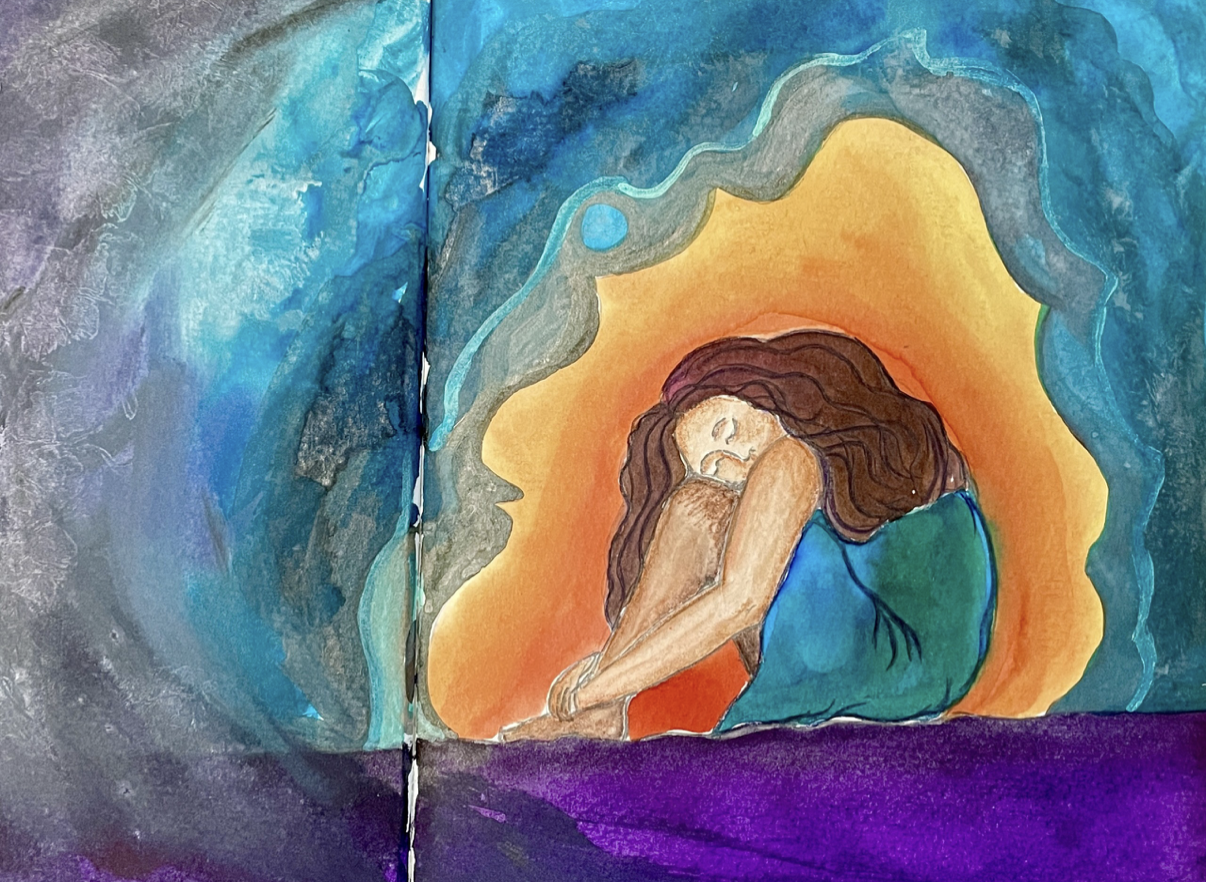

Grief does not arrive with instructions. It does not follow a timeline. And it rarely looks the way we expect it to.
This episode is Part 1 of a four-part educational series with grief educator Gwen Kapcia (grief-guide.com), created to help deepen understanding of grief and normalize the many ways it shows up after loss.
In this opening conversation, Gwen helps us explore why grief can feel so overwhelming—especially in the world we are living in now. Together, we look not only at personal loss, but at the cultural and societal forces that shape how grief is experienced, misunderstood, and often silenced.
Gwen reflects on how grief was once held more collectively through shared rituals, extended families, and community support. Today, many grieving people find themselves navigating loss in isolation, expected to return to “normal” long before their nervous systems are ready. When grief enters a fast-moving, productivity-driven culture, it can feel unbearably lonely.
We talk about the pressure to heal quickly, to stop talking about loss, and to appear “okay” for the comfort of others. Bereavement leave is brief. Patience is shorter. And over time, many grieving people begin to feel that their pain is something they must manage quietly.
Throughout the episode, Gwen normalizes the physical, emotional, and relational expressions of grief—panic, exhaustion, numbness, anger, brain fog, longing. These are not signs that something is wrong. They are natural responses to love that has nowhere to go.
One of the most grounding ideas Gwen shares is that one of the greatest inhibitors of grief is not knowing what to expect. When people don’t understand that their responses are normal, shame often fills the gaps. Silence follows. Grief becomes something to endure alone rather than something to be witnessed.
This episode is not about fixing grief or moving past it. It is about understanding it, making room for it, and remembering that grief is not a weakness—it is evidence of love.
Recent Comments